Long Celtic Knot: A Designer’s Real-Stitch Review
First Look at the Long Celtic Knot
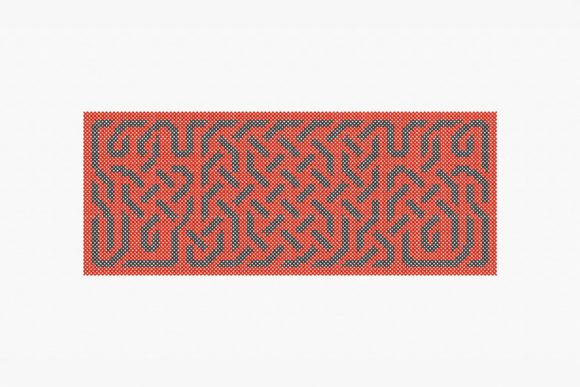
Opening a new machine embroidery design always carries that quick spark of possibility. The Long Celtic Knot hits differently than most geometric or floral files I test. It carries a quiet, ancient rhythm. The interlaced lines flow without a clear start or end, which immediately sets a mood that feels grounded and intentional. For anyone who works with Europe-inspired design assets, this knot pattern echoes the visual language of illuminated manuscripts and stone carvings, translated cleanly into thread.
The intricacy is real. This is not a simple outline that will disappear on textured fabric. The curves are continuous, and the repetition creates a balanced density that looks intentional rather than overcrowded. When I first previewed the Long Celtic Knot on screen, I pictured it stitched out in a single rich thread color on natural linen. The shape leans elongated, which is important. Long designs like this suit rectangular product layouts beautifully, but they demand careful hoop placement. The knot’s personality is calm, elegant, and just ornate enough to catch the eye without overwhelming the finished product.
Where This Embroidery Lives Best
After examining the layout and visual weight, I immediately thought of a real project I had coming up: a set of custom linen pillow covers for a boutique client. That elongated shape fits the center panel of a pillow sham without needing awkward rotation or resizing guesswork. It also solves a common struggle with square or round motifs that leave too much empty space on oblong surfaces.
This machine embroidery design thrives on items with flat, stable surfaces and medium to large embroidery fields. Think decorative pillows, bedsheet borders, tote bag faces, apron bibs, and tea towel accents. I would also test it on the back panel of a lightweight denim jacket. The continuous linework means there is no single focal point that can get lost if the garment shifts slightly during stitching, which is a practical advantage over designs with a tight central cluster.
For small shop owners and Etsy seller workflows, the Long Celtic Knot fits wonderfully into "quiet luxury" product lines. A handmade linen pouch with this knot stitched near the closure tab instantly reads as thoughtful and elevated. Pair it with simple typography underneath, and you have a coordinated set ready for a product photoshoot. The design's flexibility across personalized gift categories is a genuine asset.
Real-Life Stitching Observations
Before committing to a large run, I always test on scrap fabric that matches the final product weight. With the Long Celtic Knot, the first thing I noticed was how the interwoven sections handled. The satin stitch areas along the broader bands lay smoothly, but I kept a close eye on the narrow crossover points where stitch density might pile up. This is where stabilizer choice makes or breaks the result.
I used a medium-weight cutaway stabilizer on cotton canvas, and the knot held its shape beautifully after cooling. On a thinner tea towel, I switched to a wash-away topper to prevent the stitches from sinking into the weave. The design pushed through cleanly, though I would hesitate to use it on highly napped fabrics like thick fleece without significantly enlarging it and adjusting the underlay. The details are crisp but not so microscopic that they vanish under normal wear. That balance is hard to find in many intricate Celtic-themed files.
Thread color selection transforms the mood completely. A deep charcoal or antique gold thread leans into the heritage Europe aesthetic, while a soft blush or sage green makes the same knot feel modern and suitable for nursery decor or baby embroidery. I tested both extremes, and the stitch structure read clearly across light and dark fabrics, which speaks to solid digitizing rather than just a pretty preview image.
What Makes This Knot Work for Business
Running a small embroidery business means every design must earn its place. The Long Celtic Knot does not scream for attention, and that is its strongest selling point. Customers shopping for custom apparel or boutique home goods often seek meaning in the motifs they wear or display. Celtic knotwork symbolizes connection, eternity, and journey, themes that resonate deeply in gifts for weddings, anniversaries, or milestone celebrations.
I see this design performing exceptionally well in a holiday embroidery collection, not plastered with seasonal icons, but offered as a refined alternative for winter market shoppers wanting something elegant and non-trendy. Pair it with wool scarves, velvet stockings, or table runners, and you create a cohesive product story. Buyers respond to consistency. A recognizable motif like this knot builds trust when repeated thoughtfully across a brand's handmade product line.
For digital product sellers, including a stitched-out photo in mockup presentations is crucial. Customers need to see how the interlocking paths look in real thread on actual fabric. A flat digital preview cannot capture the subtle dimension that satin and fill stitches create along the overlapping bands. I always photograph my test stitch in angled natural light before listing any design asset, and this knot rewarded that effort with defined highlights and shadows that photograph well for printable mockup displays.
Fabric and Surface Sensitivities
Not every project is a safe canvas for this style of embroidery. The elongated shape demands attention to grainline and hoop alignment. Stretchy fabrics pose a risk if the stabilizer is too light. On a thin jersey t-shirt, I would first apply a firm backing and possibly a temporary adhesive spray to prevent shifting. The dense interlaced sections need a stable base; otherwise, the continuous lines can pull slightly and warp the knot's symmetry.
Small hoop sizes present a legitimate limitation. If the design is digitized for a larger hoop and you try to shrink it drastically, the intricate inner paths may close up or turn into a solid mass of thread. I advise confirming the original hoop size specifications before purchase and testing at that exact scale. Curved surfaces like caps are tricky because the elongated layout does not naturally conform to the front panel curve. While not impossible, a cap application would require precise placement and likely some manual rotation adjustments that add time to production.
Layered garments with seams crossing the embroidery zone need extra care. A side seam hitting the knot's tail disrupts the visual flow. I prefer placing this design on seamless front panels or flat areas like a tote bag face, where the uninterrupted surface lets the knot anchor the entire product without visual competition.
Licensing, Testing, and Production Readiness
Any professional embroiderer knows that a beautiful stitch-out is only half the equation. The other half lies in usage rights. Since specific commercial embroidery license terms are not explicitly detailed in the product information provided, I strongly recommend verifying whether the digital embroidery file license permits resale on finished products, especially if you plan to offer the knot on items sold through online marketplaces or craft fairs. This step protects your shop from unexpected policy violations.
My production checklist for a design like the Long Celtic Knot always includes: test on the actual base fabric, not just a substitute; run one sample through a full wash and dry cycle; check for thread breaks in the tight overlap zones; photograph the result on both light and dark backgrounds for listing variety; and confirm that the design's scale aligns with your most commonly used hoop dimensions. I also test how the knot pairs with monogramming or additional text, since many personalized gift orders combine motifs with names or dates.
The embroidery file, likely available in multiple machine formats, should be unzipped and reviewed in your embroidery software before the first stitch. Look for unnecessary trims or jump stitches that could slow production. A good check: preview the design in black and white to see how it reads purely as a shape. The Long Celtic Knot held its identity well in grayscale, which tells me the structural digitizing is solid beneath the thread color choices.
Giftability and Market Appeal
Gift markets reward meaning. The knotwork's endless path resonates for baby embroidery gifts, housewarming presents, and milestone anniversary keepsakes. I recently stitched this design on a linen ring bearer pillow for a wedding client. The knot, centered and stitched in ivory thread on unbleached fabric, needed no additional embellishment. That kind of restrained presentation shows confidence in the design itself. Customers perceive that quality. They feel the intention behind the handmade product rather than a rushed decoration.
For small shop product catalogues, this knot can anchor an entire "Heritage" or "Timeless" product line. Use it across tea towels, simple clutches, and fabric-covered journals for a unified craft business collection. Brand consistency sharpens when a single motif repeats with thoughtful variation in color and scale across multiple finished product types. The Long Celtic Knot carries the visual weight to support that strategy.
Final Practical Evaluation
After multiple test stitches, varied fabric conditions, and real client project applications, I place the Long Celtic Knot among the more reliable and versatile embroidery designs I have used for commercial and personal projects. It asks for proper stabilizer discipline and respect for its original hoop size, but it gives back a stitch quality that reads as considered and premium. The elongated format solves a layout problem many crafters face with standard square or round motifs, making it a valuable addition to a design library focused on home goods, apparel accents, and meaningful gift items.
Treat this design as a quiet centerpiece rather than a loud statement. Let the fabric and thread color carry the emotion. When stitched well, it will earn buyer engagement through its simplicity and cultural depth, precisely the qualities that turn a casual browser into a repeat customer for your embroidery project offerings.